



Marketing to Gen Z in 2026: The New Rules of Influence
How Values, Communities, and AI Are Redefining Brand Loyalty
By Munir Suri•2026-01-13•16 min read
Introduction
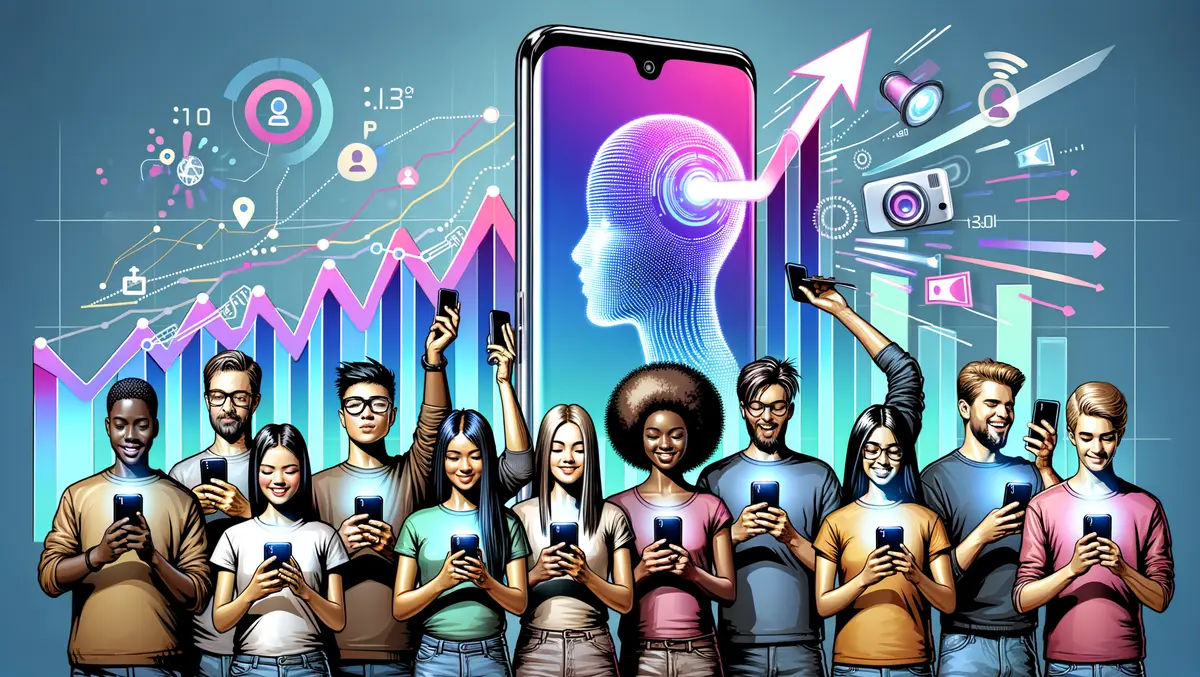
By 2026, Gen Z will represent the largest consumer cohort in the global economy. Born into a digital-first world, they interact with brands very differently than Millennials or Gen X. Traditional advertising no longer works on this generation. They skip ads, distrust corporate messaging, and rely heavily on peer communities and creators. To market effectively to Gen Z, brands must shift from selling to belonging — from campaigns to communities.
Who is Gen Z?
Gen Z includes those born roughly between 1997 and 2012. They are the first generation to grow up fully immersed in smartphones, social media, and on-demand content.
- Mobile-first consumers who primarily browse, shop, and communicate through smartphones rather than desktops, making mobile UX critical for brands.
- Short attention span but high information processing ability, meaning they consume large volumes of content quickly and decide fast.
- Value authenticity over polish, preferring real people and imperfect content over highly produced brand advertisements.
- Expect instant responses from brands, treating businesses like friends on social platforms.
They multitask across multiple screens, such as watching YouTube on TV while scrolling Instagram on their phones. They prefer video over text, which is why TikTok and Reels outperform blogs and newsletters for this generation. They trust creators more than brands, for example following fitness coaches on Instagram instead of gym chains. They actively participate in digital communities, such as Discord servers for gaming or crypto discussions.
Platforms That Matter in 2026
Gen Z lives where culture happens — not where ads are shown.
- TikTok & Reels where trends are born and products go viral overnight through short-form videos.
- YouTube Shorts used for quick reviews, tutorials, and product discovery.
- Discord communities replacing traditional brand forums with real-time engagement.
- Gaming platforms where brands create immersive experiences inside virtual worlds.
- Private messaging groups that build deeper loyalty than public social feeds.
TikTok is the new Google for Gen Z search, for example users search 'best budget headphones' instead of using Google. Discord servers replace brand forums, like Nike hosting sneakerhead communities for early drops. Brands run activations inside gaming worlds, such as Gucci launching digital wearables inside Roblox. Private groups drive deeper brand loyalty, like skincare brands running WhatsApp VIP groups for customers.
Content That Converts Gen Z
Gen Z consumes content very differently.
- Raw, unfiltered videos shot on phones that feel personal and unscripted.
- Behind-the-scenes content showing how products are made and teams operate.
- Relatable storytelling that mirrors their daily struggles and aspirations.
- Meme culture content that taps into trending humor formats.
- Edutainment combining education with entertainment.
Highly produced ads feel fake, which is why brands like Glossier use phone-shot videos instead of studio shoots. They prefer smartphone-shot videos, as seen in the popularity of daily vlog creators. They reward brands that understand internet culture, like Ryanair using memes on Twitter. Humor and relatability outperform polished campaigns, such as Duolingo’s TikTok strategy.
The Creator Economy
Influencer marketing has evolved into creator partnerships.
- Micro-influencers with small but loyal audiences who drive higher trust.
- Niche creators deeply respected in specific communities.
- Community leaders who organically influence group behavior.
- Long-term collaborations instead of one-off sponsorships.
Creators with 10k followers outperform celebrities, such as small fashion creators driving boutique sales. Trust beats reach, for example local food bloggers influencing restaurant choices more than ads. Creators co-design products with brands, like YouTubers launching merch lines. UGC becomes primary ad content, as seen with skincare brands reposting customer routines.
Values-Driven Purchasing
Gen Z buys based on belief systems.
- Sustainability-focused brands that reduce environmental impact.
- Diversity & inclusion-driven campaigns representing real people.
- Mental health awareness initiatives supporting wellbeing.
- Ethical sourcing ensuring fair labor practices.
They research brand ethics, for example checking if fashion brands use sweatshops. They boycott brands easily, such as canceling companies involved in scandals. They reward transparency, like Patagonia showing supply chains openly. Purpose-driven brands win loyalty, such as TOMS donating shoes.
AI Personalization for Gen Z
AI plays a major role in Gen Z marketing.
- Personalized content feeds that adapt to micro-interests.
- AI shopping assistants recommending products in real time.
- Hyper-targeted offers based on behavior.
- Behavior-based campaigns triggered by actions.
Each user sees a unique brand experience, like Spotify’s personalized playlists. AI predicts trends before they go viral, such as TikTok surfacing niche music. Chatbots speak Gen Z language, using emojis and casual tone. Voice and conversational commerce increases, such as ordering via Alexa.
Community-Led Marketing
Gen Z prefers belonging over buying.
- Brand Discord servers acting as social hubs.
- Ambassador programs turning fans into promoters.
- User-generated content driving organic reach.
- Exclusive drops creating urgency.
Communities become growth engines, like gym brands building workout groups. Members co-create products, such as sneaker fans voting on designs. Drop culture drives urgency, like Supreme product launches. Brands act like social platforms, hosting live sessions and chats.
Common Mistakes Brands Make
- Trying too hard to be trendy using forced slang.
- Using corporate language that feels robotic.
- Ignoring social causes important to Gen Z.
- Overusing paid ads instead of organic content.
Gen Z detects fake authenticity instantly, like brands misusing memes. They cancel brands publicly through TikTok callouts. They prefer dialogue over monologue, engaging in comments.
What Marketing Looks Like in 2026
- Conversational commerce where users shop via chat.
- AI agents acting as brand representatives.
- Virtual influencers promoting products digitally.
- Metaverse brand spaces hosting experiences.
Brands talk, not broadcast, through DMs and chats. Shopping happens inside content, like Instagram checkout. Creators replace agencies for campaigns. Communities replace funnels as growth engines.
Conclusion
Marketing to Gen Z in 2026 requires a complete mindset shift. Brands must become cultural participants, not advertisers. Those who build communities, embrace creators, and stand for something real will win. Gen Z is not just the future — they are the present.
Stay Updated
Follow for future marketing trends